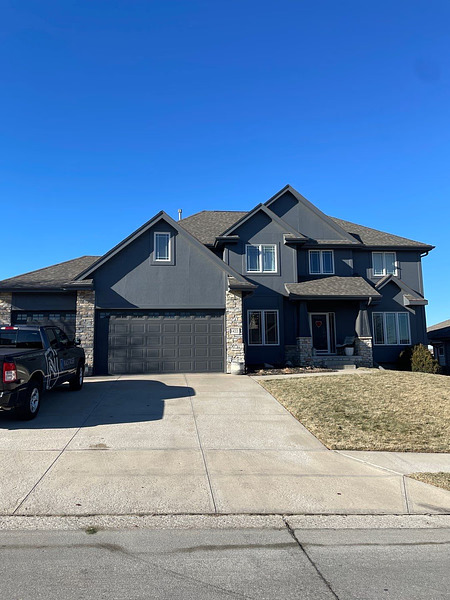
Replacing your roof, siding, gutters, or windows is about more than improving your home’s appearance. These systems work together to protect your house from rain, snow, hail, wind, moisture, and temperature changes.
That is especially important in Omaha, where a home’s exterior can experience summer heat, winter freezes, severe storms, and rapid changes in weather throughout the year.
Unfortunately, homeowners do not always know what questions to ask before beginning an exterior renovation. A decision that saves a little money today can lead to leaks, drafts, moisture damage, repeated repairs, or premature replacement later.
Before you begin your next exterior project, avoid these nine common mistakes.
1. Treating Each Exterior System as a Separate Project
Your roof, siding, gutters, windows, flashing, trim, and ventilation do not operate independently. Together, they form the exterior envelope that keeps water and outside air from entering your home.
For example:
- Roof runoff must be captured by properly sized and positioned gutters.
- Gutters must direct water away from the siding, foundation, and landscaping.
- Windows must be correctly integrated with the surrounding siding and weather-resistant barrier.
- Roof and wall flashing must move water over exterior materials rather than behind them.
- Attic ventilation must work with the roofing system to manage heat and moisture.
A contractor who looks only at the product being replaced may overlook problems where two systems meet. Those transition points—around windows, roof edges, chimneys, dormers, valleys, and wall penetrations—are often where water intrusion begins.
Before approving a project, ask your contractor to evaluate the entire exterior and explain how the new work will connect with the materials that remain.
2. Replacing the Visible Material Without Investigating the Cause
Damaged roofing, warped siding, overflowing gutters, and leaking windows are often symptoms rather than isolated problems.
A roof leak may be caused by failed flashing instead of the shingles themselves. Siding damage may be related to water getting behind the wall. A window leak may originate above the window opening. Rot near the roofline may point to gutter overflow or improper drainage.
Covering the visible damage without identifying its source can leave the underlying problem in place.
A thorough exterior evaluation should look for issues such as:
- Deteriorated roof decking
- Damaged sheathing
- Improper flashing
- Missing or damaged weather barriers
- Trapped moisture
- Inadequate ventilation
- Poor gutter drainage
- Rot around windows and trim
- Previous repairs that were not completed correctly
Some conditions cannot be fully confirmed until existing materials are removed. Your contractor should explain what can be evaluated in advance, what may be discovered during installation, and how unexpected conditions will be handled.
3. Choosing Exterior Materials Based Only on Appearance
Curb appeal matters, but the best-looking product is not necessarily the best choice for every home.
Exterior materials should be selected based on appearance, performance, maintenance, compatibility, expected lifespan, and the architecture of the house.
Roofing
Homeowners may choose among asphalt shingles, composite roofing, synthetic cedar shake, synthetic slate, Spanish-style tile, and other specialty products. Each option has different installation requirements, costs, maintenance needs, and architectural characteristics.
Siding
Siding choices may include vinyl, fiber cement, engineered wood, metal panels, composite products, stone accents, and other specialty cladding. Homeowners should consider resistance to moisture, impact, fading, pests, and ongoing maintenance.
Windows
Window performance depends on more than the frame color or grille pattern. Glass packages, frame materials, installation methods, air sealing, and water management can all affect comfort and long-term performance.
Gutters
Gutter size, material, placement, downspout capacity, and drainage route should be matched to the roof and home. Gutters should not be treated as a decorative afterthought.
Ask your contractor why a particular product is appropriate for your home—not simply whether it is available in the color you prefer.
4. Automatically Selecting the Lowest Bid
Exterior renovation proposals are not always equal, even when they appear to cover the same project.
One estimate may include complete removal of the existing material, upgraded flashing, new underlayment, disposal, ventilation improvements, and detailed cleanup. Another may omit some of those items or leave them unclear.
A lower price may reflect legitimate differences in overhead or product selection. It may also reflect a reduced scope, less experienced labor, lower-quality accessories, limited supervision, or assumptions that could lead to change orders later.
When comparing proposals, review:
- Exact product names and manufacturers
- Product lines, styles, and colors
- Tear-off and disposal
- Decking or sheathing allowances
- Underlayment and weather barriers
- Flashing details
- Ventilation
- Trim and accessory materials
- Gutter and downspout specifications
- Window installation methods
- Protection for landscaping and property
- Cleanup procedures
- Permit responsibilities
- Workmanship warranties
- Manufacturer warranties
- Payment schedule
- Procedures for approving additional work
Do not compare only the totals at the bottom of the page. Compare what each contractor is actually promising to provide.
5. Hiring a Contractor Without Verifying Exterior Experience
A contractor may be skilled in one type of home improvement but have limited experience with integrated exterior systems or specialty products.
Exterior renovation requires careful water management, proper sequencing, manufacturer-approved installation, and an understanding of how different products connect. These details become even more important when a home has multiple rooflines, masonry, specialty siding, premium roofing, unusual architecture, or previous additions.
Before hiring a contractor, ask:
- How often do you complete projects like mine?
- Can I see examples of similar homes?
- Who will manage the project?
- Who will supervise the work on site?
- Do you use employees, subcontractors, or both?
- How do you protect landscaping, driveways, and outdoor living areas?
- How will I receive updates?
- How do you handle unexpected damage?
- What warranties are provided?
- Who should I contact after the project is complete?
You should also verify that the company carries appropriate insurance and has a credible local presence. Online reviews can be useful, but they should be considered alongside project experience, communication, documentation, and the quality of the proposed scope.
6. Overlooking the Details That Prevent Water Intrusion
Large fields of roofing or siding receive most of the visual attention, but exterior failures often begin in smaller details.
These may include:
- Step flashing where a roof meets a wall
- Kickout flashing near roof edges
- Flashing around chimneys and skylights
- Roof valleys
- Pipe and vent penetrations
- Window head flashing
- Sill pans
- Housewrap and weather-barrier transitions
- Joints between siding and masonry
- Fascia and soffit transitions
- Gutter attachment points
- Downspout discharge locations
Caulk alone is not a permanent substitute for proper flashing. Sealants are useful components of an exterior system, but they should not be expected to compensate for incorrect installation or poor water-management details.
Ask your contractor to explain how vulnerable transitions will be constructed. A good exterior contractor should be able to describe how water will move down and away from the home.
7. Ignoring Ventilation, Insulation, and Air Sealing
A roofing or window project may reveal problems that are not visible from the outside.
In the attic, inadequate ventilation or air leakage from the living space can contribute to excess heat, condensation, frost, and moisture. Around windows, gaps or poorly sealed openings can create drafts even when the window itself is new.
Replacing the exterior finish without addressing related conditions may limit the value of the renovation.
During a roofing project, ask whether the contractor has evaluated:
- Intake ventilation near the eaves
- Exhaust ventilation near the roof peak
- Blocked or insufficient vents
- Signs of condensation or moisture
- Bathroom or kitchen vents terminating in the attic
- Visible air leakage or insulation concerns
During a window project, ask how the installer will:
- Prepare the opening
- Manage water around the window
- Seal gaps around the frame
- Integrate flashing with the wall system
- Finish the interior and exterior trim
A high-quality product cannot compensate for poor installation.
8. Failing to Plan for Omaha Storms and Seasonal Weather
Exterior work should be planned around both current conditions and the long-term demands placed on the home.
Omaha homeowners should consider how products and installation details will respond to:
- Hail
- High winds
- Heavy rain
- Snow and ice
- Freeze-and-thaw cycles
- Strong sunlight
- Large temperature swings
That does not mean every homeowner needs the most expensive product available. It means the materials should be chosen with local conditions, the home’s exposure, the homeowner’s priorities, and the expected length of ownership in mind.
Homeowners should also understand how weather may affect the installation schedule. Exterior work sometimes needs to pause because of rain, wind, extreme temperatures, or unsafe conditions. A responsible contractor should communicate these delays rather than rush installation under unsuitable conditions.
9. Accepting Poor Communication as Part of the Process
An exterior renovation is not an everyday purchase. Homeowners deserve to know what is happening to their property, who is responsible, and what comes next.
Before construction begins, you should understand:
- The anticipated start date
- The estimated project duration
- Who your primary contact will be
- Who will be present on site
- How schedule changes will be communicated
- Where materials and equipment will be placed
- How the property will be protected
- When decisions are required from you
- How change orders will be approved
- What happens during the final walkthrough
Communication is especially important once the existing exterior is removed. If hidden damage is discovered, your contractor should document the condition, explain the recommended repair, provide pricing, and receive approval before proceeding whenever possible.
At Nastase Contracting, every project is supported by both a project manager and an onsite project supervisor. This gives homeowners a clear point of contact for overall project coordination and a knowledgeable leader at the home who can oversee daily activity, answer questions, and provide updates.
How to Prepare for an Exterior Renovation
A little preparation can make the construction process easier for both the homeowner and the installation team.
Before work begins:
- Move vehicles away from the house and driveway.
- Remove fragile decorations from exterior walls and shelves.
- Secure items that could be affected by vibration.
- Move patio furniture, grills, toys, and planters.
- Trim landscaping if it limits access to the home.
- Identify sprinkler heads, low-voltage lighting, and invisible fencing.
- Make arrangements for pets.
- Discuss access to electrical outlets.
- Confirm material colors and selections in writing.
- Ask how satellite dishes, cameras, and other exterior equipment will be handled.
- Understand the cleanup and final inspection process.
For roofing projects, vibration may cause dust or small debris to shift in the attic. For siding and window projects, installers may need temporary access to certain areas inside the home. Your contractor should explain what to expect before the crew arrives.
Questions to Ask Before Signing an Exterior Contract
Use these questions when evaluating a roofing, siding, gutter, or window contractor:
- What problems did you identify during your inspection?
- Are you recommending repair or replacement, and why?
- How will the different exterior systems connect?
- Which materials and accessories are included?
- What work is specifically excluded?
- Who will manage and supervise the project?
- How will you protect my home and landscaping?
- What could result in an additional charge?
- How will hidden damage be documented and approved?
- What manufacturer and workmanship warranties apply?
- How will I receive progress updates?
- What does the final inspection include?
Clear answers before the project begins can prevent confusion once construction is underway.
Build a Better Exterior, Not Just a Newer One
The goal of an exterior renovation should not be to simply replace old materials with new ones. It should be to improve the way your home looks, performs, and protects the people inside it.
That requires thoughtful planning, compatible materials, careful installation, clear communication, and attention to the areas most homeowners never see.
Nastase Contracting helps Omaha homeowners evaluate roofing, siding, gutters, windows, and specialty exterior materials as part of one complete system. Our team can identify existing concerns, explain your options, and develop a plan for a durable, attractive, and worry-free exterior.
Ready to discuss your home’s exterior? Contact Nastase Contracting to schedule a consultation.